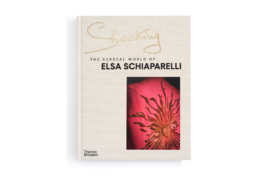
Alongside vintage photographs, sketches, and contemporary features from Harper's Bazaar and Vogue, this volume presents specially photographed masterpieces from the collection of the Musée des Arts Décoratifs in Paris. All 120 garments and accessories from the Schiaparelli archive are illustrated, along with a selection of her drawings dating from 1933 to 1953.

Apnée est un montage autoproduit présentant un point de vue intime sur Paris. Identités et lieux, pensées éphémères.

Idilli is a collection of analog photographs pinning oases of everyday wonder.
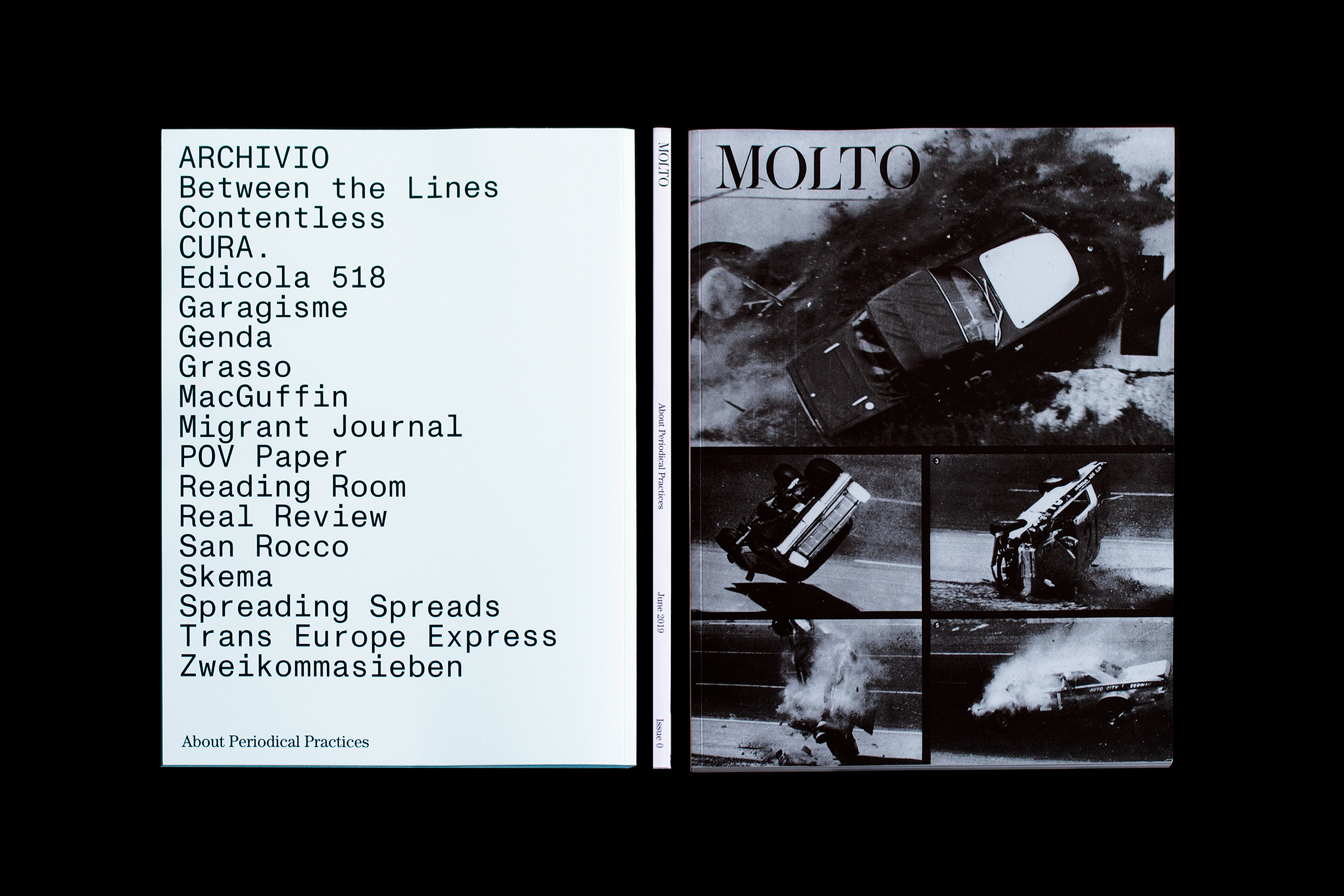
MOLTO Magazine is a magazine that investigates the world of periodical publishing. The first issue focuses on the new distribution channels — and on their functioning — created by independent magazines, particularly in the European context. The paper project was presented to the public in a space in the city center of Urbino, MOLTO Spazio, a spatial extension of the magazine where exhibitions, talks and performances took place. Molto Mazine was born within the Course of Graphic design for publishing, Master's degree in Communication and Design for Publishing, ISIA Urbino. Supervision: Francesco Valtolina.
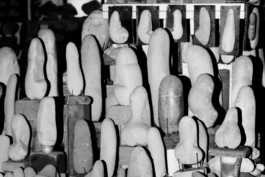
It is in a barn that we can hear the whispers of thousands of stones collected by the poet and artist Luigi Lineri at the source of the Adige river in north-eastern Italy. He attributes their shape to a human or magical intervention; they are primitive signs, an image-language. The building is no longer large enough to accommodate them all, some wait patiently in the garden, sneak into the house. Having spent more than 50 years collecting, he now devotes his time exclusively to arranging them.
Article published in Revue Profane N12
Alongside vintage photographs, sketches, and contemporary features from Harper's Bazaar and Vogue, this volume presents specially photographed masterpieces from the collection of the Musée des Arts Décoratifs in Paris. All 120 garments and accessories from the Schiaparelli archive are illustrated, along with a selection of her drawings dating from 1933 to 1953.
Apnée est un montage autoproduit présentant un point de vue intime sur Paris. Identités et lieux, pensées éphémères.
Idilli is a collection of analog photographs pinning oases of everyday wonder.
MOLTO Magazine is a magazine that investigates the world of periodical publishing. The first issue focuses on the new distribution channels — and on their functioning — created by independent magazines, particularly in the European context. The paper project was presented to the public in a space in the city center of Urbino, MOLTO Spazio, a spatial extension of the magazine where exhibitions, talks and performances took place. Molto Mazine was born within the Course of Graphic design for publishing, Master's degree in Communication and Design for Publishing, ISIA Urbino. Supervision: Francesco Valtolina.
It is in a barn that we can hear the whispers of thousands of stones collected by the poet and artist Luigi Lineri at the source of the Adige river in north-eastern Italy. He attributes their shape to a human or magical intervention; they are primitive signs, an image-language. The building is no longer large enough to accommodate them all, some wait patiently in the garden, sneak into the house. Having spent more than 50 years collecting, he now devotes his time exclusively to arranging them.
Article published in Revue Profane N12